hMa | HANRAHAN MEYERS ARCHITECTS | DESIGN IS A FRAME TO NATURE. PROFILE | PROJECTS | NEW & IN PROGRESS | BOOKS BY hMa | LINKS |
|
digital water i-pavilion
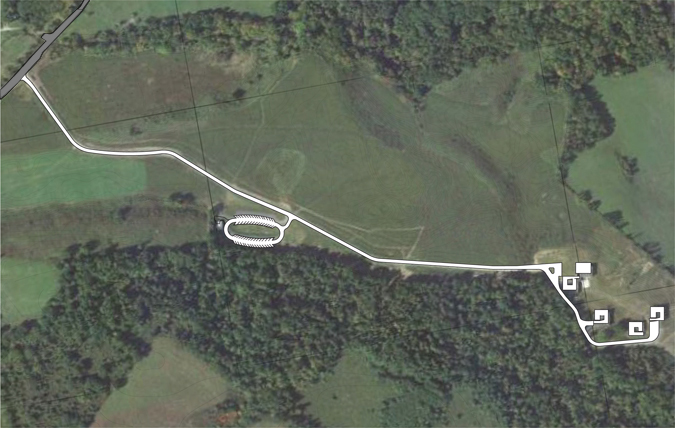
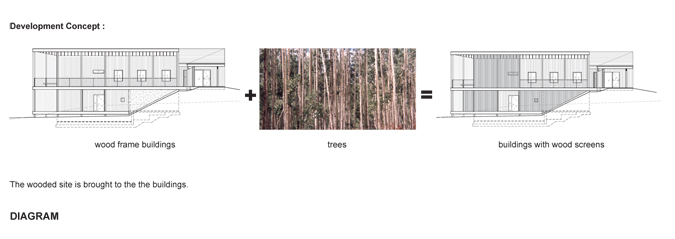
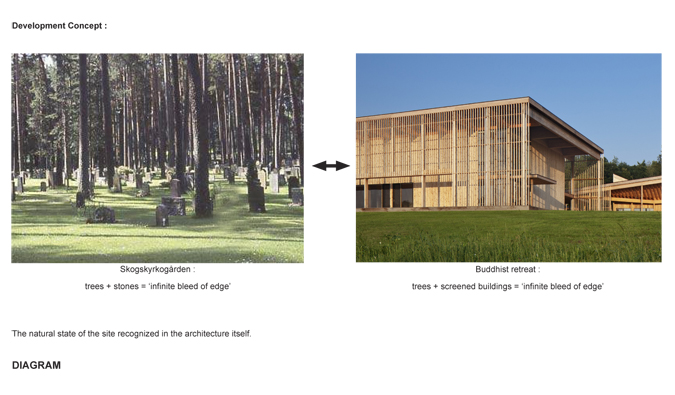
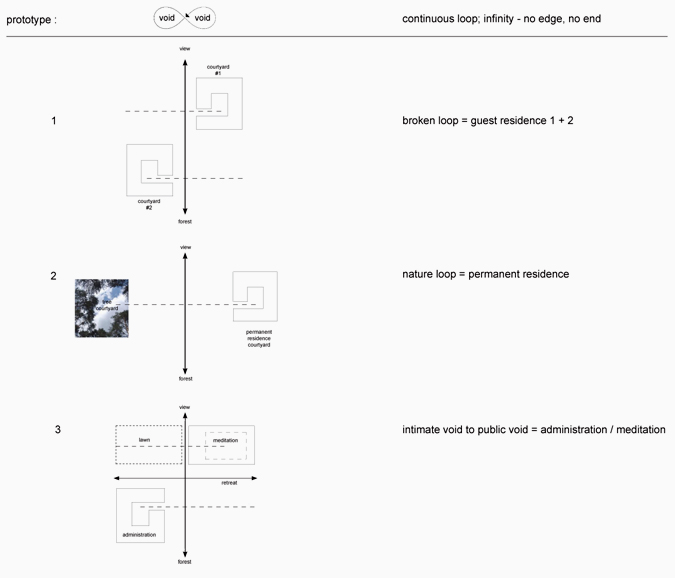
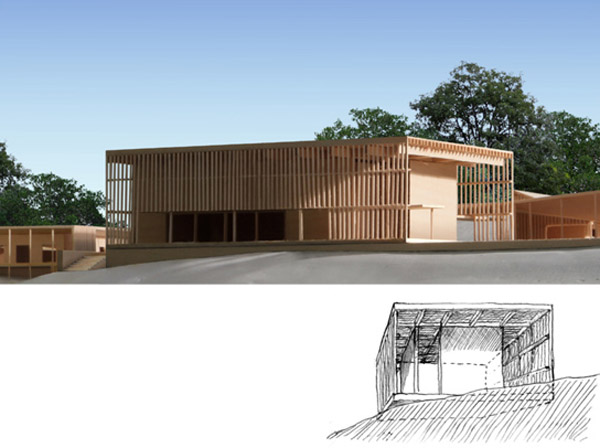
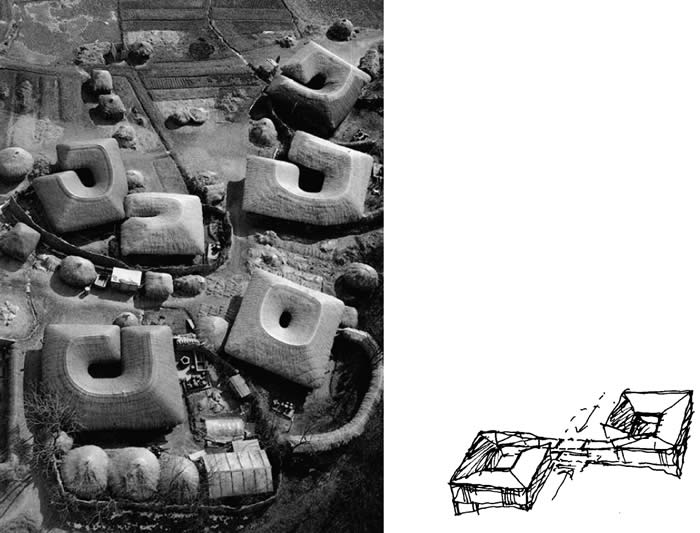
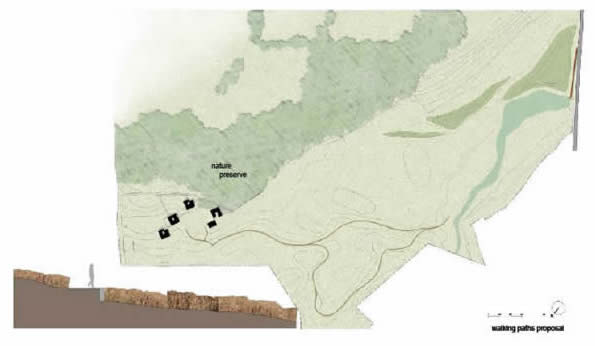
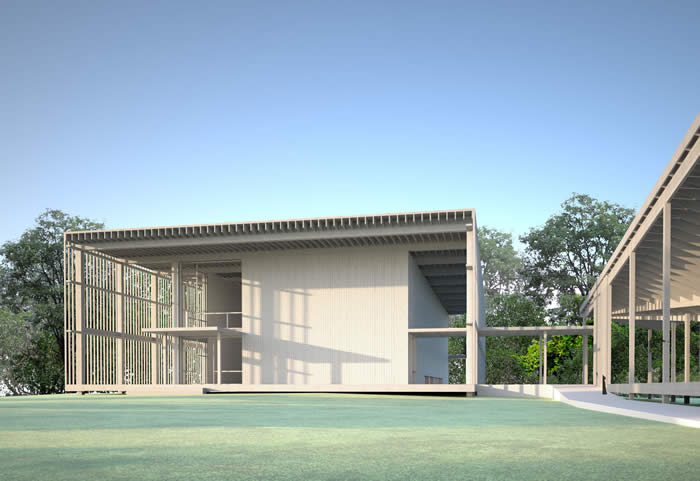
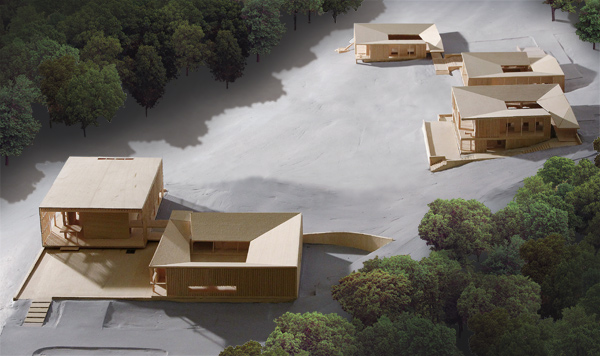
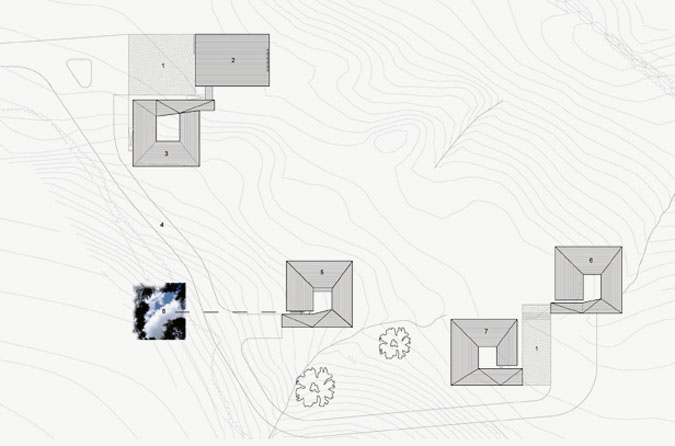
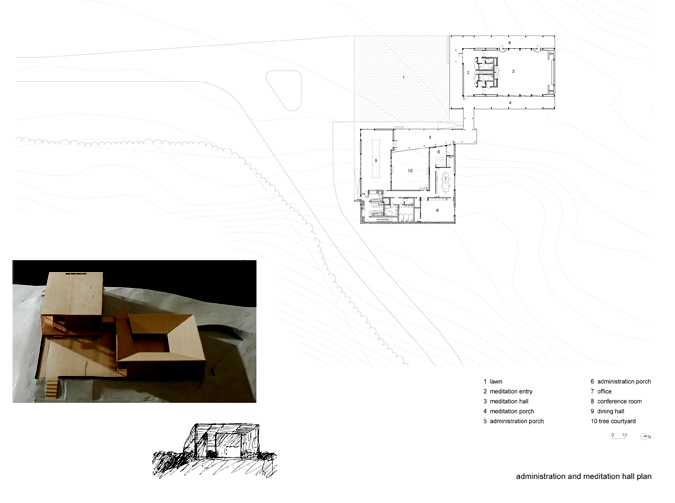
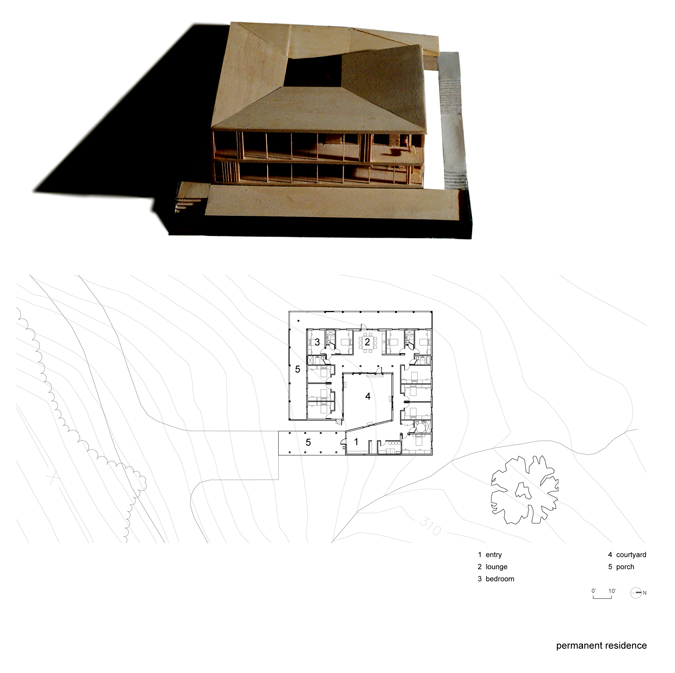
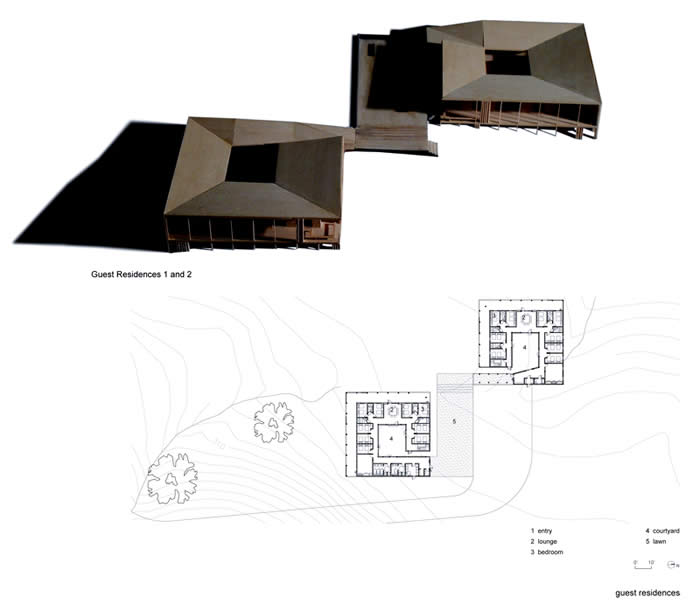
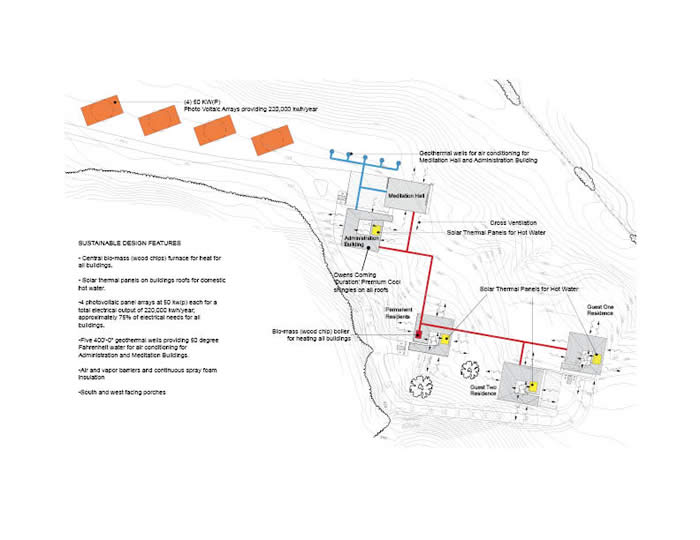
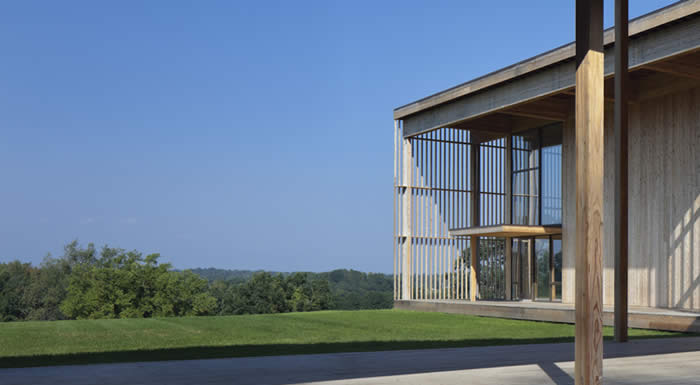
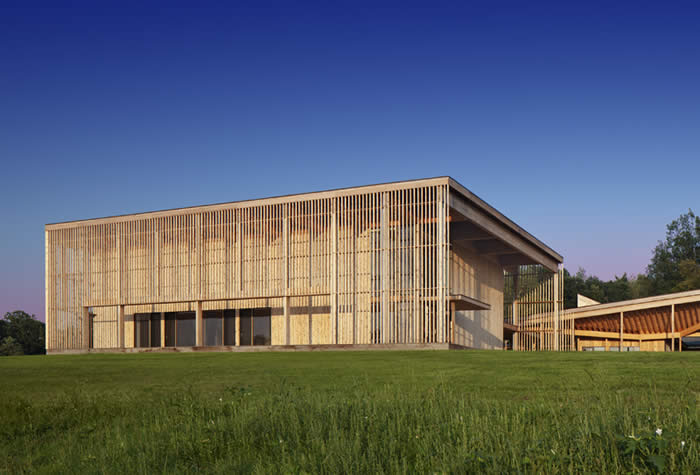
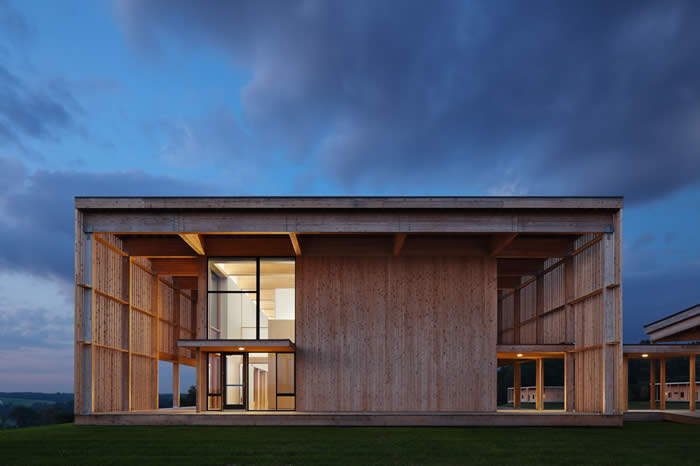
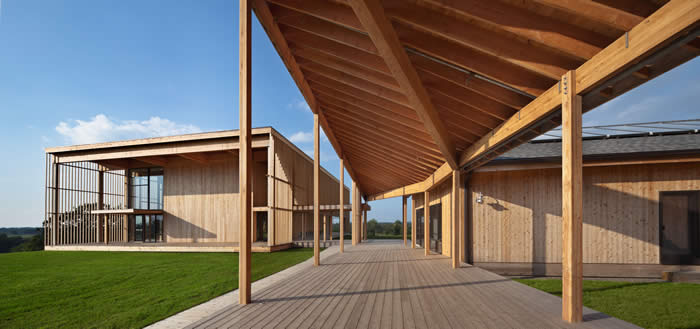
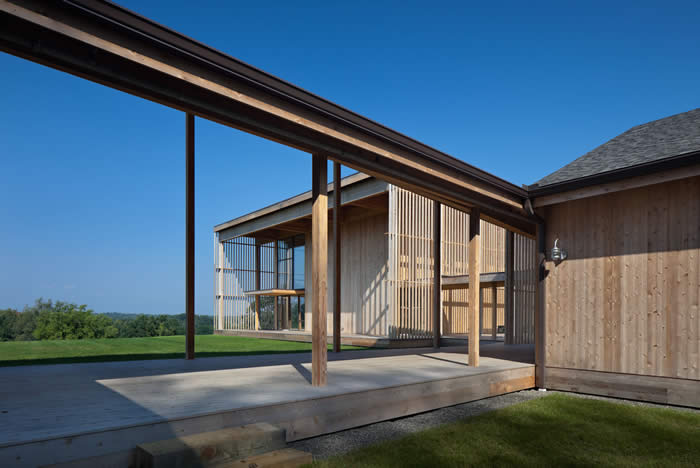
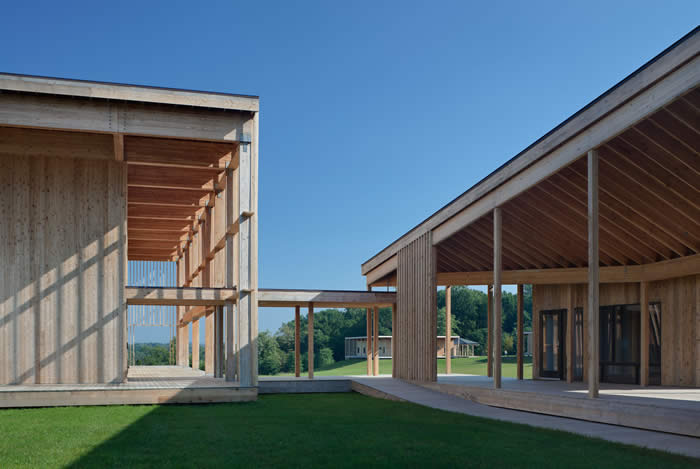
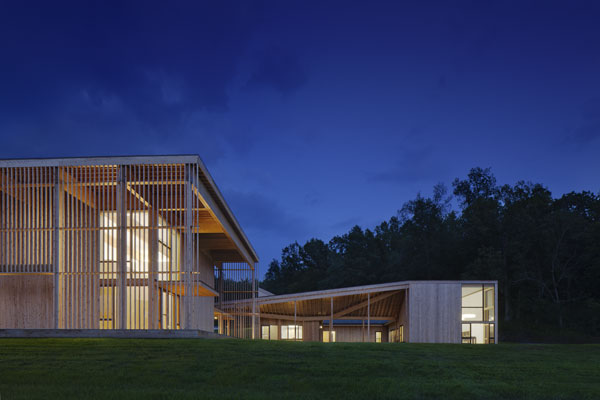
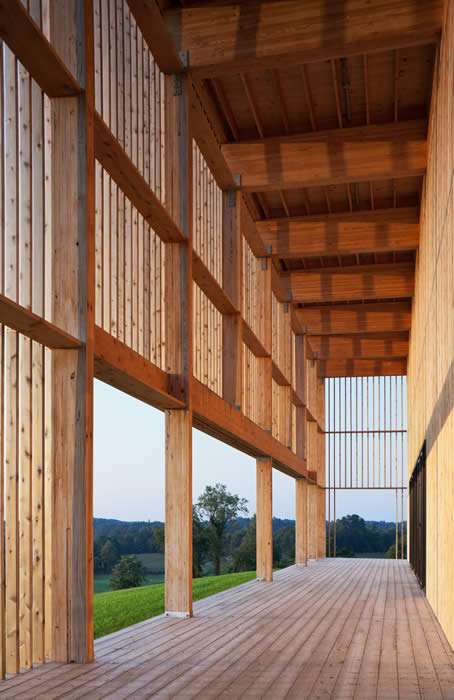
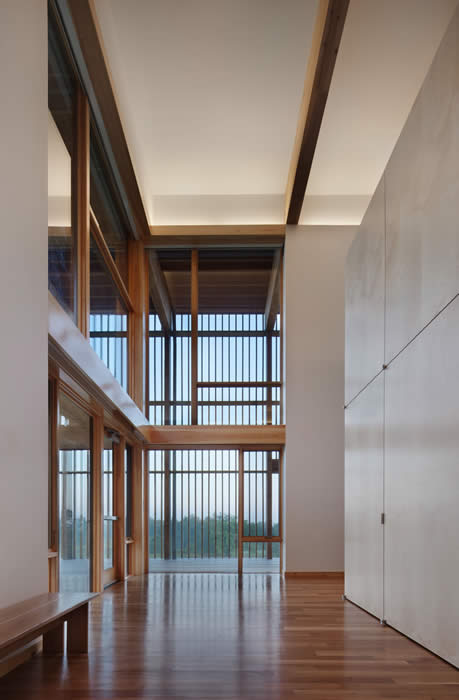
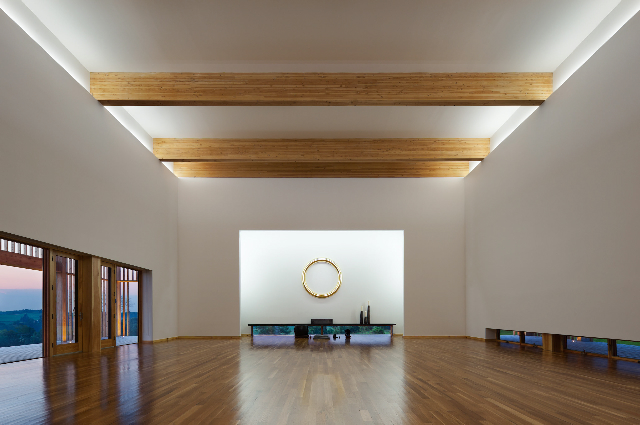
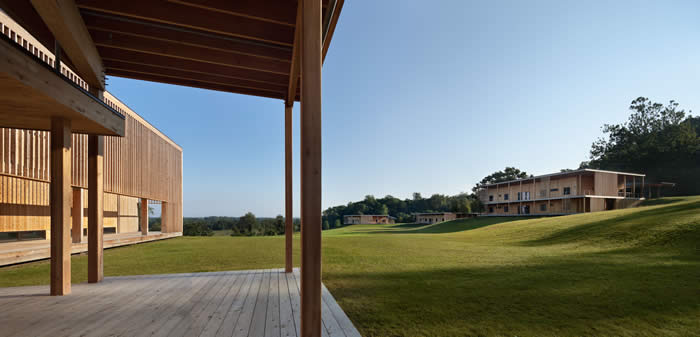
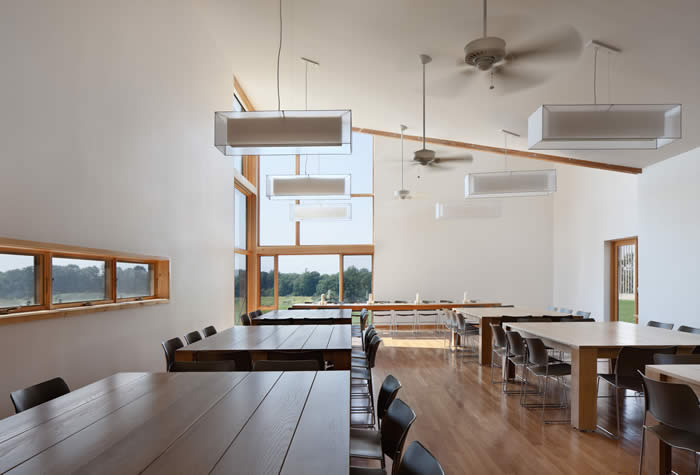
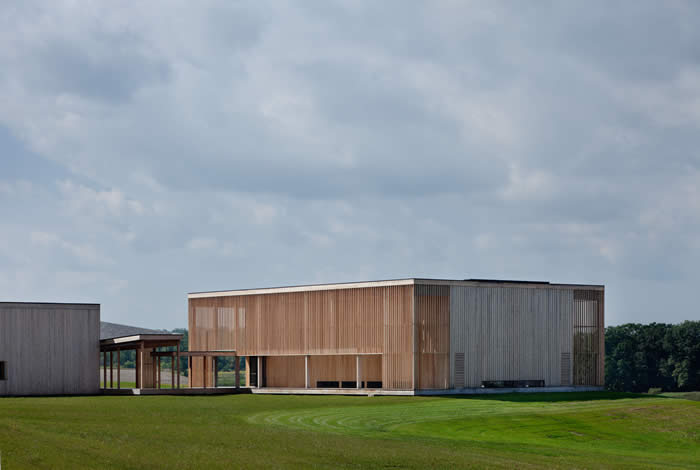
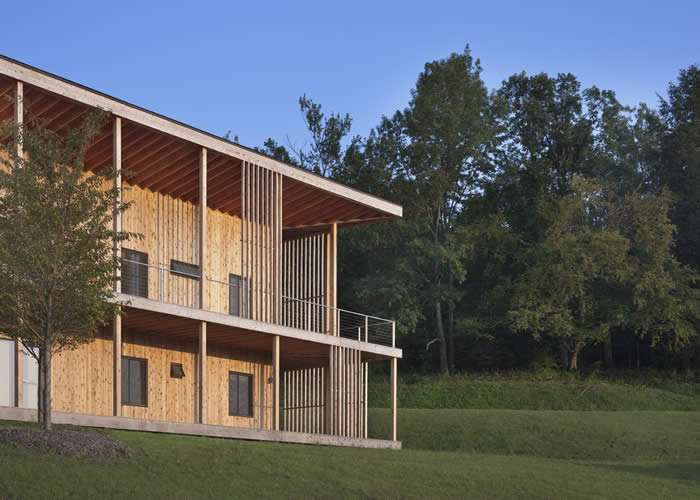
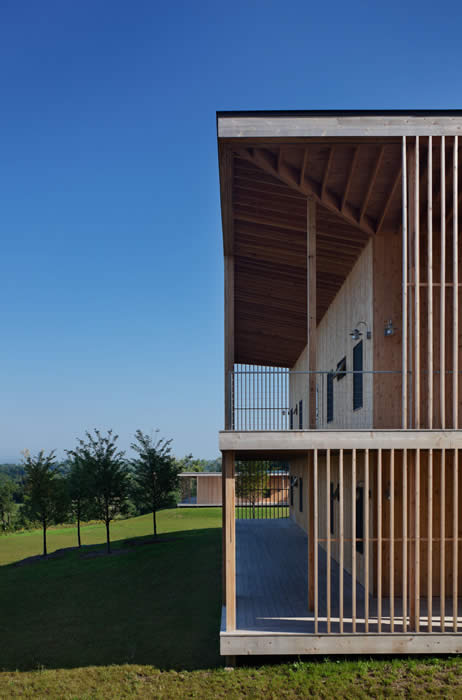
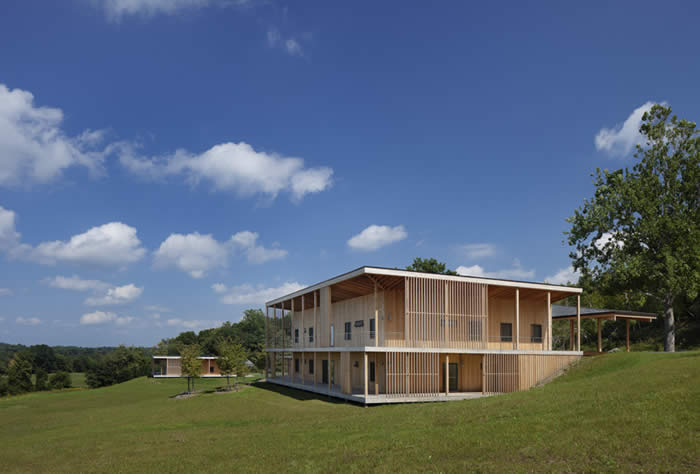
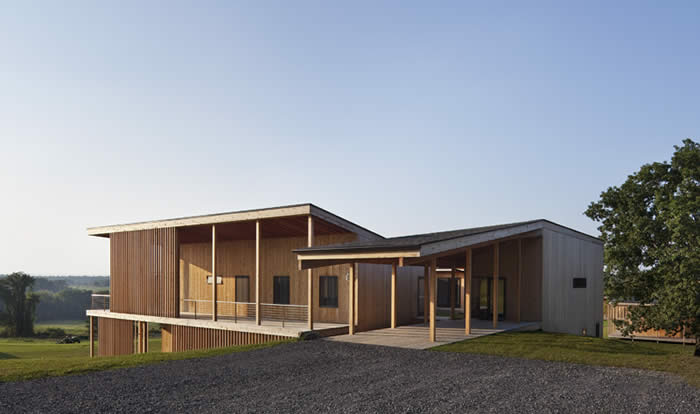
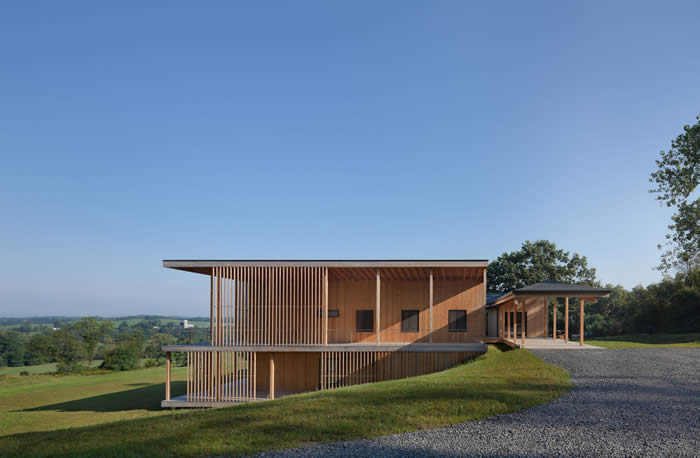
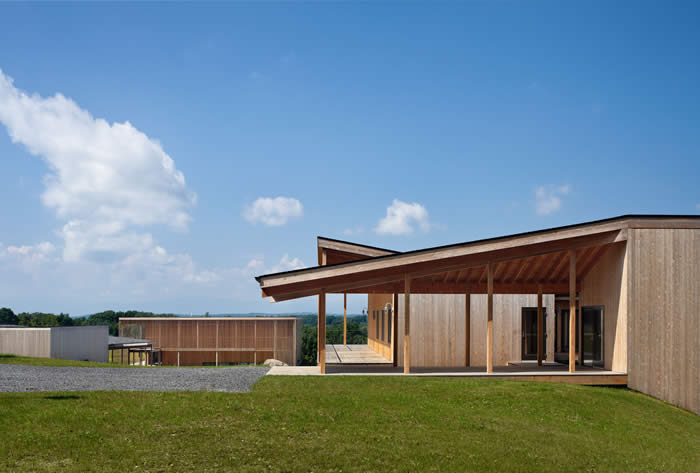
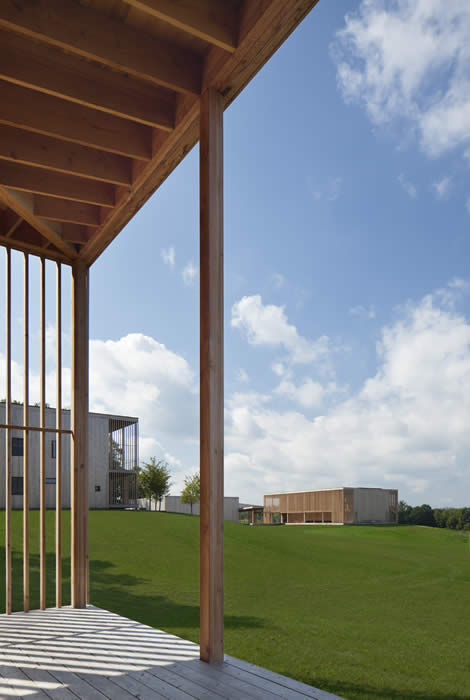
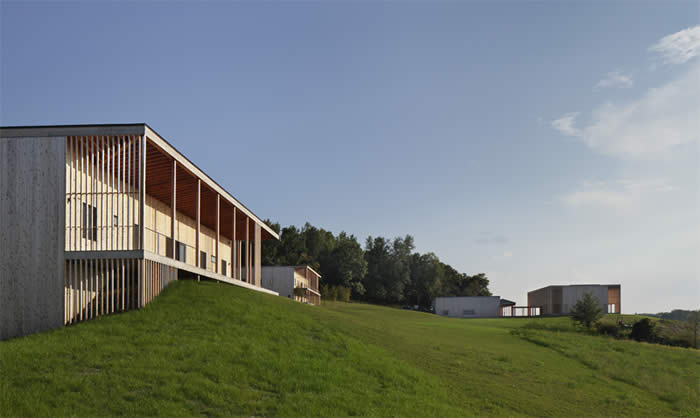
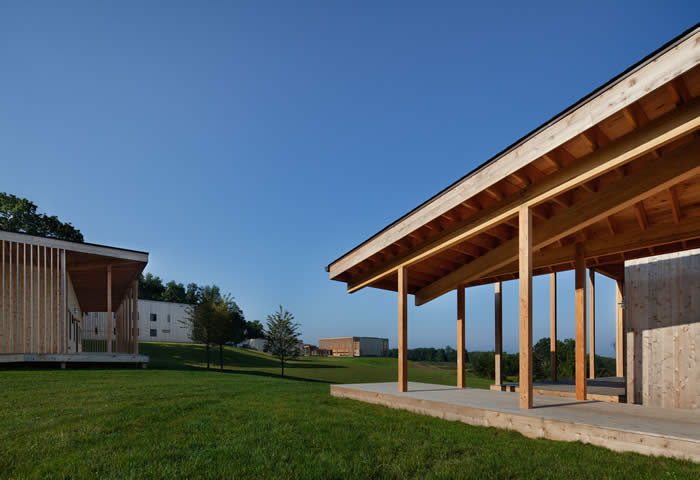
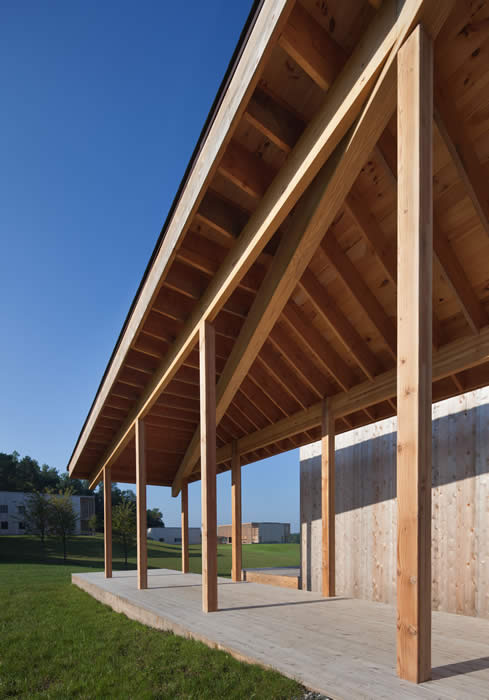
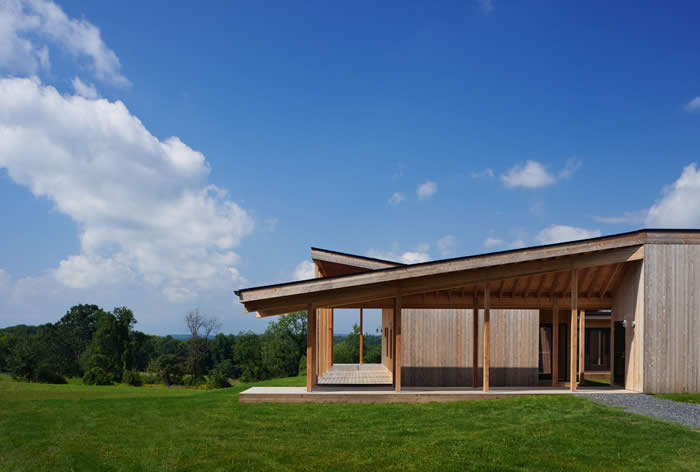
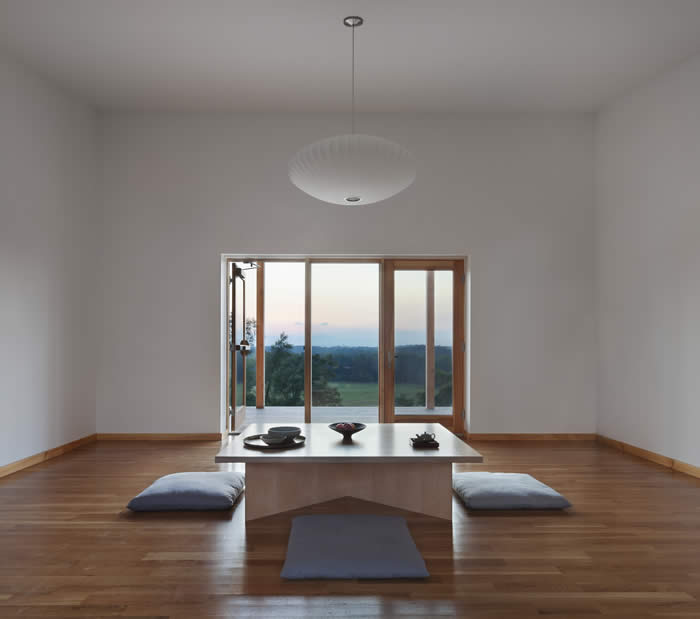
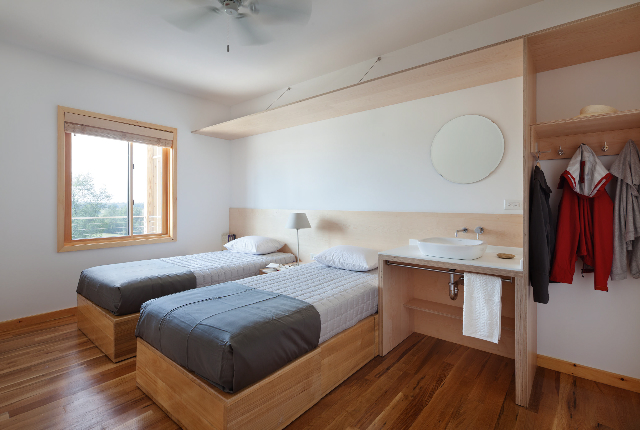
hanrahan Meyers architects with Myonggi Sul + Light and Space project: Won Dharma Center client: Won Buddhism of America, Inc. Announcement : Won Dharma Center wins 2010 Design Award from Faith & Form / IFRAA International Awards Program for Religious Art and Architecture. The project will be featured in the 2010 Awards issue from Faith and Form Magazine as well as displayed at the 2011 National Convention of the American Institute of Architects in New Orleans on May 12, 2011. The Won Dharma Center, USA, is a 28,000 square foot recreational and spiritual retreat in Claverack, New York for the Won Buddhists, a Korean organization that emphasizes balance in one's daily life and relationship to nature. The center is located within a 500-acre property on a gently sloping hill with views west to the Hudson River valley and the Catskill Mountains. The buildings for the Center, including permanent and guest residences, an administration building and a meditation hall, are sited as far as possible from the highway and are oriented toward the west and south to maximize views and light. The symbol of this organization is an open circle, suggesting both a void without absence and infinite return. The buildings are organized around these dual concepts of void and spiral. The 3,000 square foot Meditation Hall is conceived as a simple rectangular void and a lightweight frame to the natural surroundings. Its wooden structure is exposed on three sides to form entrance and viewing porches, while the interior offers views of the mountains from the meditation space itself. The only interior intervention in this extremely pure structure is a cubic volume housing public facilities, closets and mechanical spaces. The four other buildings include the administrative and dining spaces and all of the residential spaces for both guests and permanent residents. Their designs draw upon the buildings of the grass-roofed Korean village, loosely clustered and organized internally around a single central void. The roof shapes of these 4,000 square foot buildings transform in section around a spiral organization, from a simple slope in section to a complex triangulated geometry at the entrance porches. The internal organization of each of these buildings allows silent walking meditation around the courtyard. The courtyard also acts as a passive cooling system, allowing cross ventilation for the public spaces and open guest rooms. Like the Meditation Hall, all of these buildings are constructed completely of wood and are deeply shaded to the west and south to allow natural daylighting without excessive heat gain.
|
|